Why You Keep Reacting the Same Way (And How to Spot Your Real Triggers)

You know the feeling. Someone says something small — a comment, a tone, a delay in a text response — and suddenly you're not in the present moment anymore. You're somewhere else entirely: defensive, shut down, spiraling, or furious out of proportion to what actually happened.
Afterward, you might feel embarrassed. "Why did I react like that? It wasn't even a big deal." But here's the thing I tell clients constantly: your reaction was never really about the small thing. It was about what that small thing touched.
Triggers aren't random — they're patterns
A trigger is your nervous system recognizing something familiar, even when your conscious mind hasn't caught up yet. Someone raising their voice might not just be "someone raising their voice" — it might be the exact tone a parent used before things got scary. A partner going quiet after an argument might not just be "quiet" — it might replicate the specific silence that used to precede being left out, criticized, or punished.
Your body remembers before your brain explains. That's why the reaction feels bigger than the moment warrants — because it isn't just about the moment. It's about every other moment that felt the same way.
Why most people never identify their actual triggers
Most of us manage the surface of a trigger without ever locating its source. We learn to apologize faster, avoid certain topics, or brace for certain tones — but we never ask why this specific thing, out of everything, sets me off.
Part of the reason is that identifying a trigger requires slowing down at the exact moment you least want to. When you're activated, the instinct is to act — fight, freeze, or flee — not to pause and analyze. So the trigger gets reinforced instead of examined, and the pattern repeats indefinitely.
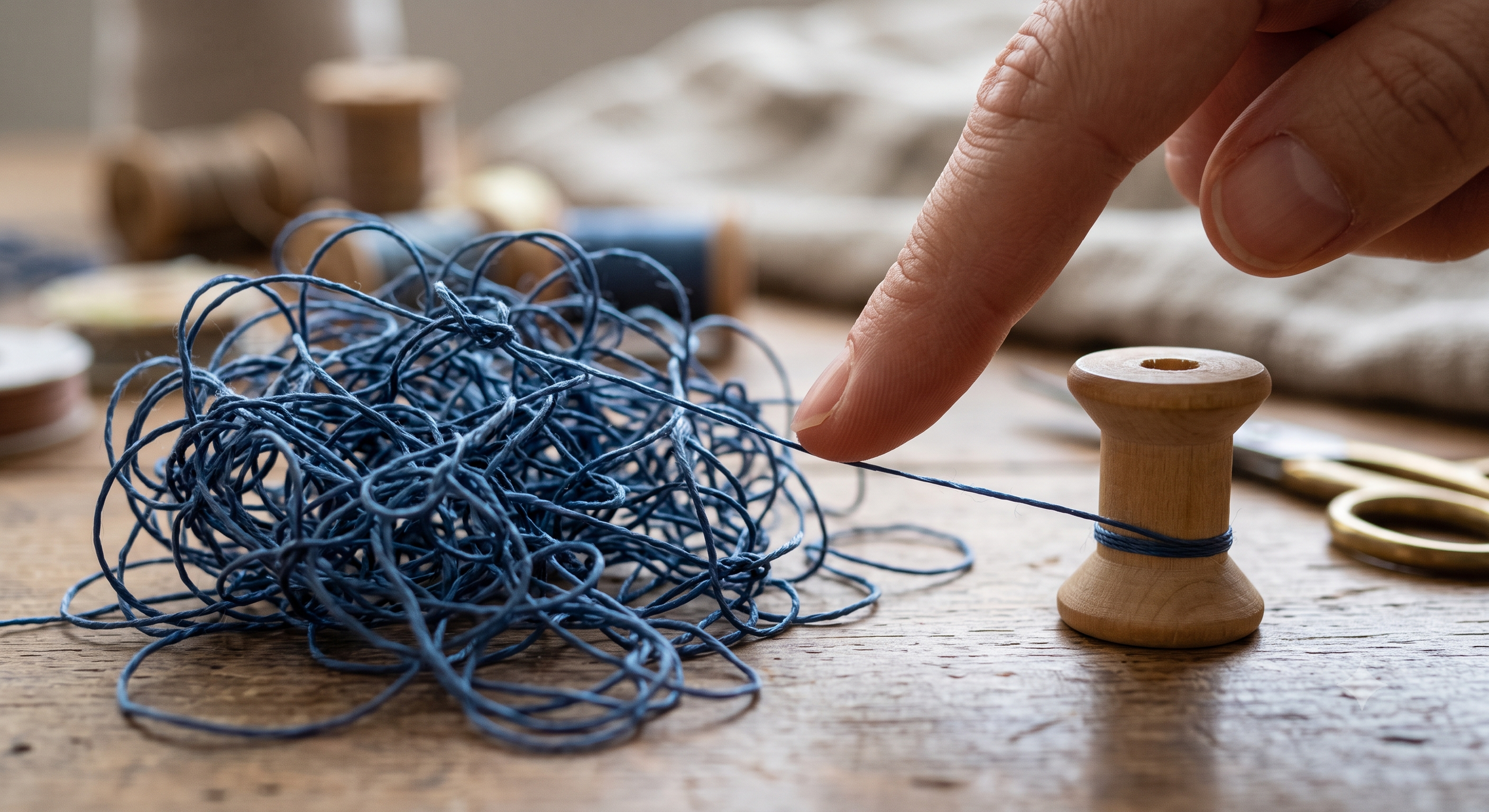
How to actually locate a trigger
The next time you notice a reaction that feels bigger than the situation, don't ask "what happened." Ask instead: what did this remind me of?
Go further back than the current relationship or job or conversation. Ask when you first felt this exact combination of sensations — the tightness, the shame, the urge to disappear or defend. Often it traces back to somewhere much earlier: a classroom, a childhood home, a friendship that ended badly. The current moment is rarely the origin. It's usually just the latest echo.
It also helps to separate the trigger from the person who set it off. Someone can activate an old wound without being responsible for creating it. That distinction matters, because it lets you take the reaction seriously without unfairly blaming whoever happened to be standing in front of you when it surfaced.
What changes once you know your triggers
This isn't about eliminating triggers entirely — that's not realistic, and it's not the goal. It's about creating enough space between the trigger and the reaction that you get to choose your response instead of being run by it. That space is where actual change lives.
Once you can name a trigger — really name it, down to its origin — it starts to lose some of its grip. You stop being blindsided by your own reactions, and you start recognizing them as information instead of chaos.
If you're ready to understand what's actually driving your reactions instead of just managing the fallout, I'd love to help you map it out. Schedule a free 30-minute session and let's start identifying what's really going on beneath the surface.